
large round mirror with lights
Understanding Ring Plug Gauges Precision Tools for Quality Assurance In the world of manufacturing and quality control, precision and accuracy are paramount. One of the vital tools utilized to ensure these standards is the ring plug gauge. This instrument plays a crucial role in the measurement and verification of dimensions of cylindrical parts, particularly in contexts where ensuring accuracy is critical for performance and safety. What is a Ring Plug Gauge? A ring plug gauge is a specialized measuring tool designed to check the dimensional accuracy of holes and shafts. It typically consists of two components a ring gauge and a plug gauge. The ring gauge is used to measure the external dimensions of a workpiece, while the plug gauge is used for internal dimensions. Together, they form a crucial part of the gauging system used in quality assurance processes. The ring gauge has a circular shape with a series of internal diameters that correlate to the specifications of the part being measured. It checks whether the diameter of the hole falls within acceptable limits, ensuring that it is neither too large nor too small. The plug gauge, conversely, evaluates whether the drilled hole has been accurately machined to meet the required tolerances. Importance in Manufacturing The importance of ring plug gauges in manufacturing cannot be overstated. In industries such as automotive, aerospace, and machinery, parts are often subjected to high levels of stress and must fit together perfectly. Even minor deviations from specified dimensions can lead to mechanical failures, safety hazards, or costly repairs. Ring plug gauges provide a straightforward, effective method for ensuring that components are manufactured within specified tolerance ranges. By allowing manufacturers to verify dimensions during the production process, these gauges help to maintain the integrity of the final product. Types of Ring Plug Gauges There are various types of ring plug gauges, each designed for specific applications and tolerances. Some common types include ring plug gauge 1. Go/No-Go Gauges These gauges have two distinct measuring elements—a Go side that should fit and a No-Go side that should not fit. This binary checking method ensures that the part is within the allowed limits. 2. Master Gauges Often used for calibration, these are precise gauges that serve as standards against which other gauges can be measured. 3. Segmented Gauges Designed for intricate shapes and profiles, these gauges can conform to various designs while still measuring the overall dimensions accurately. Benefits of Using Ring Plug Gauges 1. Accuracy These gauges provide high precision when measuring part dimensions, ensuring that products meet stringent quality standards. 2. Time Efficiency They simplify the inspection process, allowing for quicker evaluations than traditional measurement techniques. 3. Consistency Using standardized gauges helps maintain uniformity in manufactured parts, contributing to overall product reliability. 4. User-Friendly The design of ring plug gauges makes them easy to use, facilitating quick training for operators and ensuring that measurements can be taken correctly. Conclusion Ring plug gauges are indispensable tools in the quality assurance arsenal of modern manufacturing. They ensure that parts are produced to exact specifications, enhancing safety and performance across various industries. By integrating ring plug gauges into production processes, manufacturers can achieve higher standards of accuracy and efficiency, ultimately leading to better products and reduced costs. As technology continues to advance, the role of such precision instruments will only become more critical in sustaining the pace of innovation and quality in manufacturing.
about
large round mirror with lights
Understanding Welding Fabrication A Comprehensive Overview Welding fabrication is a crucial process in various industries, playing a vital role in the construction and manufacturing of metal structures and components. It involves joining materials, typically metals or thermoplastics, through the application of heat, pressure, or both, resulting in a strong bond. This article explores the essential aspects of welding fabrication, including techniques, materials, applications, and safety considerations. Techniques of Welding Fabrication There are several techniques of welding, each suitable for specific applications. The most common methods include 1. Arc Welding This is one of the most widely used welding processes, which utilizes an electric arc to melt the base material and filler rod. Subtypes include Shielded Metal Arc Welding (SMAW), Gas Metal Arc Welding (GMAW or MIG), and Gas Tungsten Arc Welding (GTAW or TIG). 2. Oxy-Fuel Welding This method uses a flame produced by burning a mixture of oxygen and a fuel gas, usually acetylene. It is often used for cutting metals and is one of the older welding techniques. 3. Resistance Welding This process generates heat through electrical resistance, allowing materials to bond together. Spot welding and seam welding are examples of resistance welding. 4. Laser Welding This modern technique employs a laser beam to melt and fuse materials, offering precision and speed, making it ideal for complex and delicate components. Materials Used in Welding Fabrication welding fabrication table The choice of materials is pivotal in welding fabrication. Commonly welded materials include - Steel Various types of steel, including carbon steel, stainless steel, and alloy steel, are frequently welded due to their strength and versatility. - Aluminum Lightweight and corrosion-resistant, aluminum is commonly used in automotive and aerospace applications. - Plastics Certain thermoplastics can also be welded using specialized techniques, expanding the scope of welding fabrication beyond metals. Applications of Welding Fabrication Welding fabrication is utilized across a range of industries - Construction In building frameworks, bridges, and infrastructure, welding provides the strength and durability required for safety and longevity. - Automotive The automotive industry extensively uses welding for assembling car frames, bodies, and various components. - Manufacturing Many manufacturing processes rely on welded components for machinery, equipment, and tools. Safety Considerations Welding fabrication involves several risks, making safety a top priority. Key safety measures include - Personal Protective Equipment (PPE) Welders should wear appropriate PPE, including helmets with face shields, gloves, and flame-resistant clothing. - Ventilation Proper ventilation is necessary to avoid inhalation of harmful fumes and gases produced during welding. - Fire Hazards Since welding generates sparks, it is essential to maintain a clear work area and keep flammable materials safely stored away. In conclusion, welding fabrication is an integral part of many industries, requiring skilled professionals and a keen understanding of techniques, materials, and safety practices. With ongoing advancements in technology, including automation and robotics, the future of welding fabrication promises increased efficiency and precision, further enhancing its essential role in modern manufacturing and construction.
-

High quality industrial productsagement

High quality industrial products
View Details -

Meet the diverse needs of customers

Meet the diverse needs of customers
View Details -

Strict quality control

Strict quality control
View Details -

Top raw materials

Top raw materials
View Details -

Trusted supplier

Trusted supplier
View Details
Our application

news and information
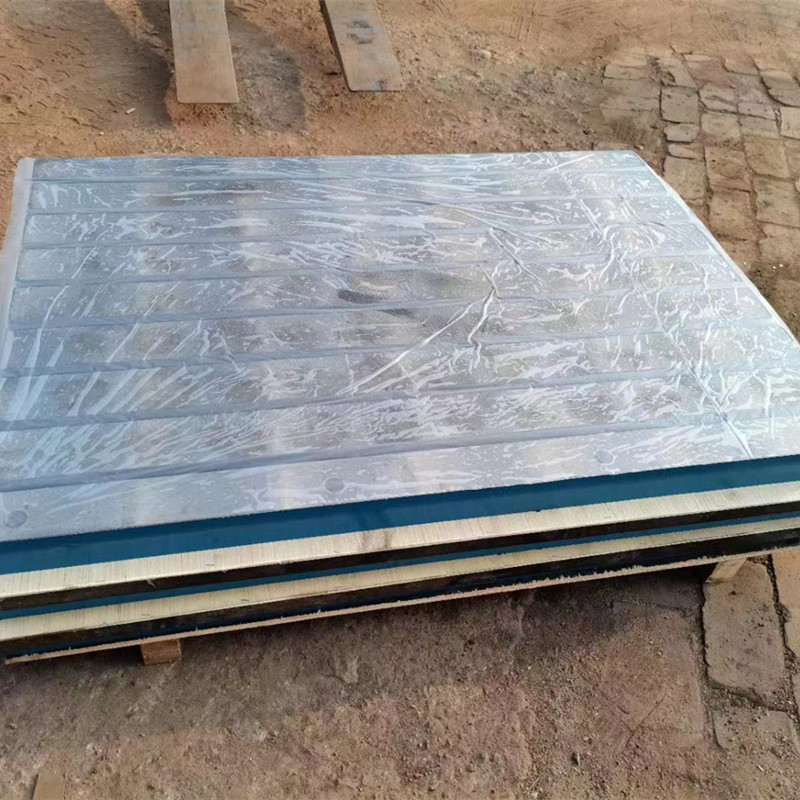
use of parallel ruler
The Use of Parallel Rulers An Essential Tool in Precision Measurement In various fields ranging from
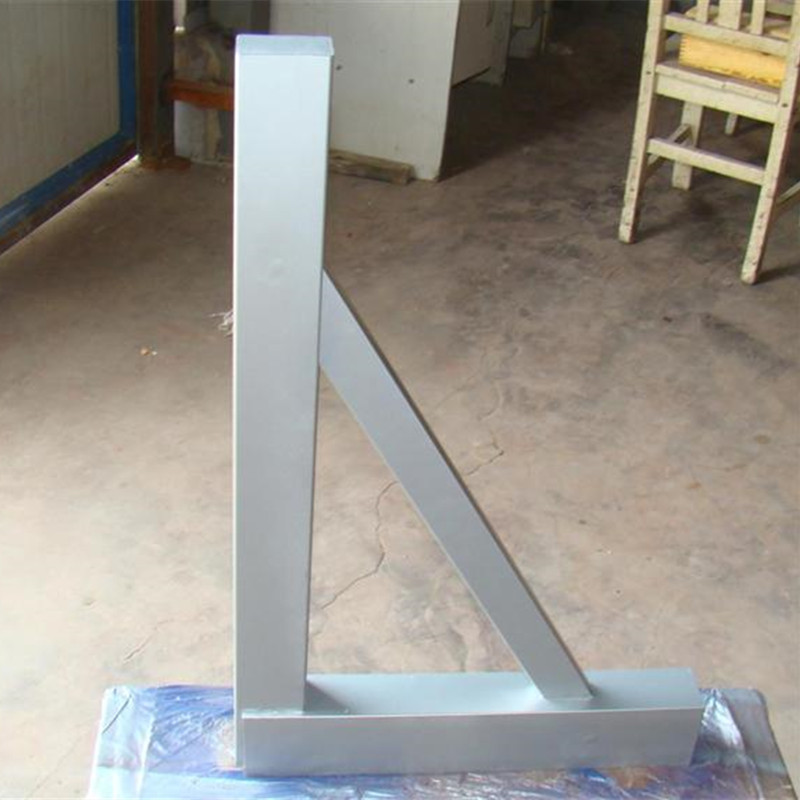
Versatile DIY Welding Table for Home Projects and Metal Fabrication
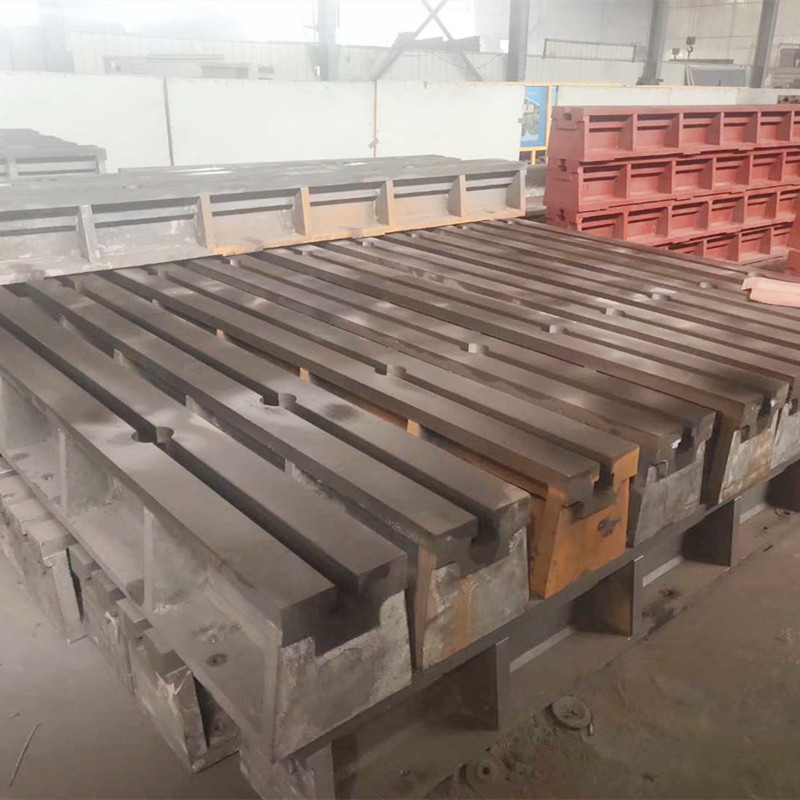
The Ultimate Guide to Home Welding Tables Home welding has gained immense popularity in recent years
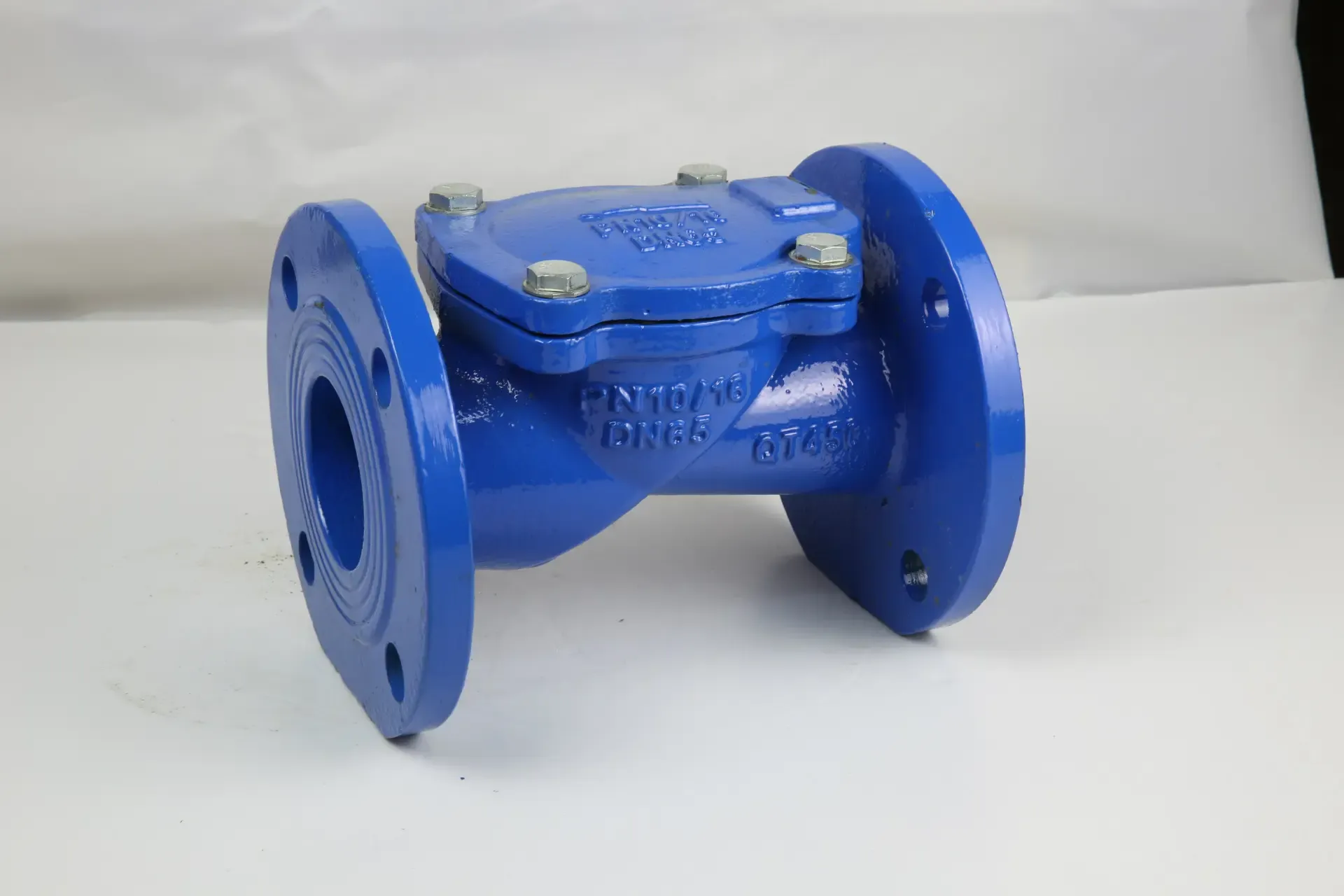
Vannventil for kontroll av vannstrøm og trykkregulering
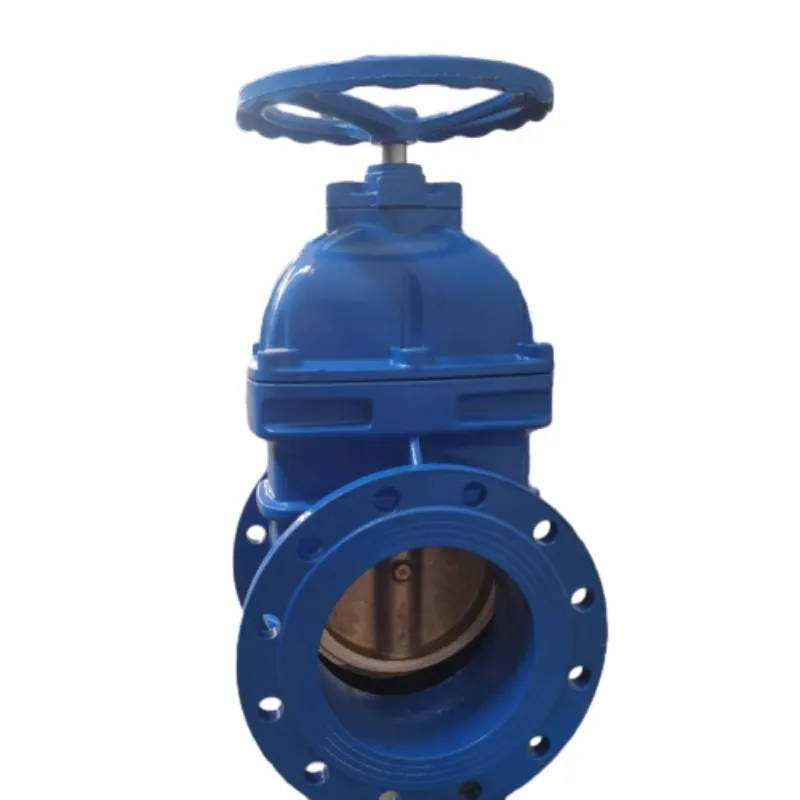
Vannventilens Rolle i Vannfordeling Vann er en av de mest essensielle ressursene på jorden, og forva
 English